
Nourish. Hydrate. Thrive.
When it comes to knowing what foods you should be eating every day, it’s different for everyone. Eating the right amount of food each day depends on your age, sex, height, weight, and level of physical activity. The Academy of Nutrition and Dietetics, the world’s largest organization of nutrition and dietetics practitioners, supports the following:
Choose nutrient-dense foods, including fruits, vegetables, and whole grains
Limit highly processed foods and added sugars
Maintain a limit of no more than 10% of total calories from saturated fat, while prioritizing healthier fats
Increase attention to fiber and microbiome health
It’s always a good idea to talk with your healthcare provider when it comes to nutrition and what foods will be most beneficial, especially if you are on medications or have health concerns.
What changes after age 55?
As we age, our bodies need more nutrients—but often fewer calories. The focus becomes nutrient-dense foods. Here’s what matters most:
Protein: Helps maintain muscle (aim for a source at every meal)
Calcium + Vitamin D: Supports bone health
Fiber: Aids with digestive health and heart health
Vitamin B12: Levels can decrease with age
Hydration: You may not feel thirsty as often
Drinking Water Matters
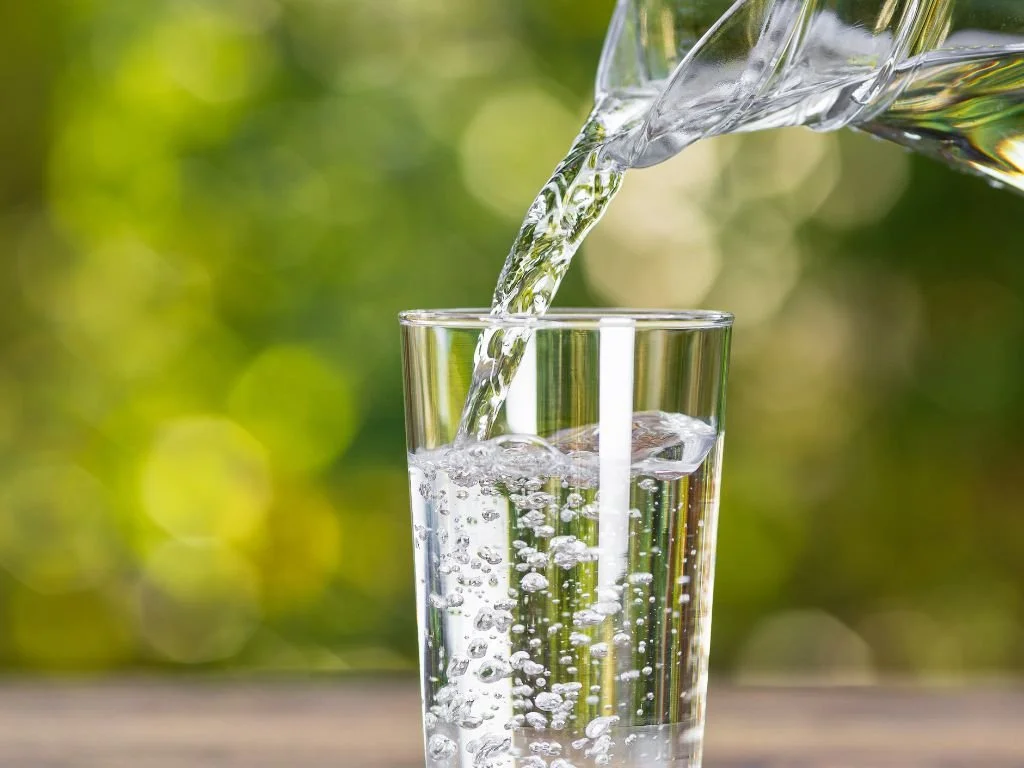
Hydration is another important factor. Our bodies need water to survive (water makes up 50% to 65% of body weight), yet most of us don’t drink enough water daily. Even mild dehydration can lead to fatigue, headaches, and difficulty concentrating.
Drinking water daily:
Supports energy, focus, and keeps your mind sharp
Aids digestion and gut health by breaking down food and moving nutrients through your system
Regulates body temperature through sweating and circulation, helping your body stay cool
Improves skin elasticity, giving you a healthy, refreshed appearance
Lubricates joints and reduces discomfort, making movement easier
Flushes out toxins in your kidneys
The guideline for how much water to drink each day is eight 8 oz. glasses per day or about 64 ounces. If you are an active adult, you may need to drink more water per day based on your activity level and weather.
Start your morning with a glass of water and carry a reusable bottle with you so you have access to water throughout the day. You can always add flavor with fresh lemon, cucumber, or berries.
Tip: Drink before you feel thirsty!
Savor the Season: Heart-healthy recipes you’ll love!
Lemon Garlic Salmon Bowl
Ingredients
1 salmon fillet
1 cup cooked quinoa or brown rice
1–2 cups roasted vegetables (broccoli, carrots, zucchini)
1 T. olive oil
Juice of ½ lemon
Garlic, pepper, herbs
Directions
Bake salmon skin side down at 400°F for ~12–15 minutes with garlic + lemon
Roast veggies with olive oil
Assemble bowl with grain, veggies, and salmon
Why It’s Great:
Rich in heart-healthy omega-3 fats
Balanced meal
High in protein and fiber = keeps you full
Berry Spinach Smoothie
Ingredients
1 cup unsweetened almond milk (or low-fat milk)
1 cup fresh spinach
½ cup frozen berries (blueberries and strawberries)
½ banana
1 T. ground flaxseed
½ cup Greek yogurt (optional for extra protein)
Directions
Blend until smooth.
Why It’s Great:
High in fiber and antioxidants
Omega-3s from flaxseed
Naturally sweet—no added sugar needed
Sources: Academy of Nutrition and Dietetics; Mayo Clinic