
Container Gardening 101
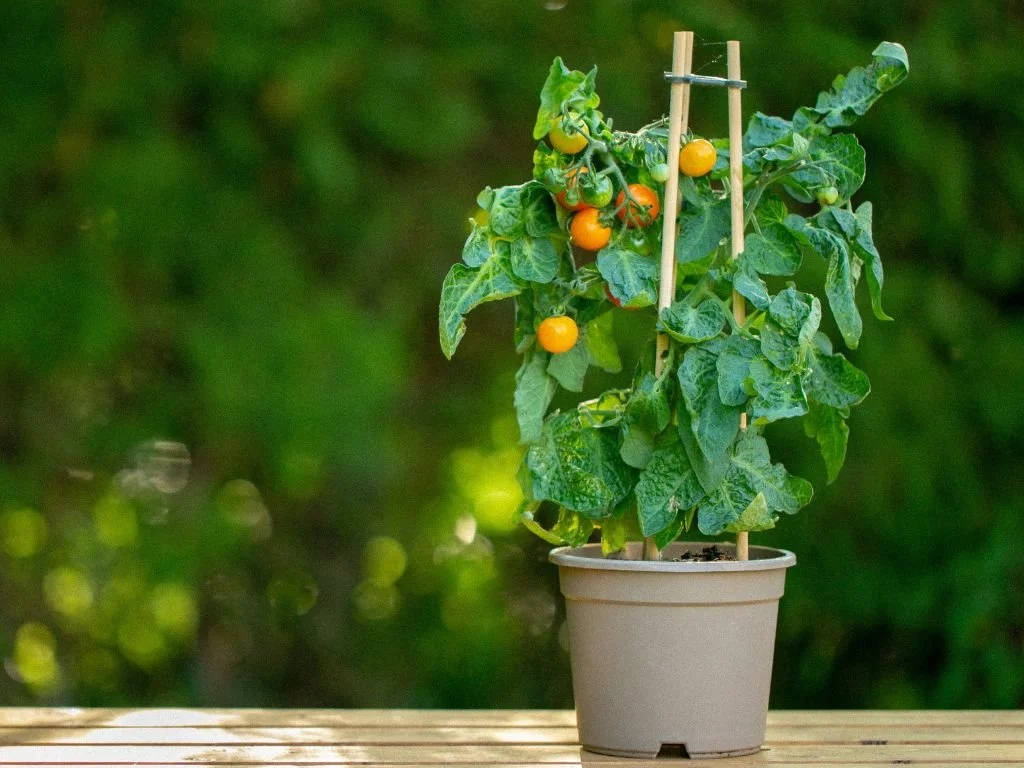
If you’ve ever thought, “I don’t have the space for a garden,” container gardening might be exactly what you’re looking for. Whether it’s a few pots on your patio, herbs on a windowsill, or flowers by your front door, growing in containers is an easy way to add beauty and fresh food to your everyday life. The best part? You don’t need a green thumb to get started. With the right setup and a few simple tips on sunlight, watering, and plant choices, you can create a container garden that actually thrives.
Selecting Plants
If it can grow in the ground, nearly any plant can be grown in a container. From flowers and most vegetables to dwarf citrus and fruit trees, you have a variety of options to choose from. At local garden centers, you can purchase plants that already have a good start. Do your homework before you go to help you decide the types of plants you want, and have the garden center staff help you design what will be planted in each container.
Take into consideration your growing season. Ask when will the plants bloom or bear fruit within that time frame. Living in Nebraska, a late spring snowfall can happen, so be prepared to keep pots inside until you feel confident that a sudden cold snap is done for the season.
Which Container Works Best?
The variety of containers can differ in material and size. Make sure the containers have drainage holes, or add them using your drill at home.
Here are some types of containers:
Clay pot: porous; allows for aeration; requires more watering
Plastic, glazed, and cement pot: non-porous; maintains more consistent temperature and water
Wood planter: resists decay *avoid using treated wood for vegetables
Metal: can get hot; requires more frequent watering
When choosing the container size, think about what you want to plant in it. If the vegetable or flower requires deep roots to grow down, choose a deep container. If it doesn’t, like lettuce, then a shallow pot works well. Perennials and taller plants typically require deep containers.
Sunlight Affects Placement
Each plant comes with directions on how much sunlight it requires and the best time of day for exposure. For example, many vegetables require around 6 to 8 hours of sunlight. Other plants need full or partial shade. Plants that use similar light and temperature needs can often be planted together in the same pot, adding color and visual interest. Be sure to place plants where they will receive the right amount of sunlight for best results.
Potting and Watering
Look for a quality potting mix or potting soil for containers. They hold moisture and provide good drainage, which is important for root health. Avoid using planting mix, garden soil, or topsoil, as they are heavy and not suitable for containers. Also, don’t put a layer of gravel or other material in the bottom of the pot for drainage—it makes the drainage worse.
Watering will vary based on the season, sun exposure, and type of container. It’s wise to check pots daily by inserting your finger about one inch into the soil. If the soil feels damp, no need to water; if dry, add water until it runs out the bottom of the pot. As summer progresses and temps rise, watering may be needed every day.
Source: University of California, Agriculture and Natural Resources