
A Gift That Lasts a Lifetime: Why Grandparents Are Turning to 529 Plans

By Jenna Vitosh, CFP®/AAMS®, Chloey Wealth Founder And Advisor
Grandparenting looks a little different these days.
Many adults over 55 are enjoying something previous generations didn’t always have as much of—time. Longer life expectancies and better health mean today’s grandparents are more likely to watch their grandchildren grow up, graduate from high school, and even walk across a college stage. With that longer view often comes a deeper question: What kind of legacy do I want to leave?
For some, the answer is shifting away from more toys, gadgets, or short-lived gifts, and toward something more lasting: education.
The “Forever Gift” of Education
It’s no secret that children today tend to have plenty of “stuff.” Birthdays and holidays can quickly become an accumulation of toys, many of which are outgrown within months.
By contrast, helping fund a grandchild’s education is something that can shape their entire life. Whether it’s college, trade school, or another form of training, education opens doors, and contributing toward it is a gift that continues to give long after it’s received.
That’s where 529 plans come in.
What Is a 529 Plan?
A 529 plan is a tax-advantaged savings account designed specifically for education expenses. Contributions are made with after-tax dollars, but the money grows tax-deferred, and withdrawals are generally tax-free when used for qualified education expenses, such as tuition, fees, books, and certain room and board costs.
Many states, including Nebraska, also offer state tax benefits for contributions to their own plans, which can provide an added incentive for local families.
“You, as the account owner, decide when withdrawals are made and how the funds are used.”
A New Twist: Flexibility with Unused Funds
One concern people often have is, “What if my grandchild doesn’t use all the money for education?”
Recent changes in federal law have helped address that worry. Under current rules, unused funds in a 529 plan can be rolled over into a Roth IRA for the beneficiary (subject to certain conditions and limits established by the IRS).
While there are details to navigate (including contribution limits, account age requirements, and lifetime caps), this option adds flexibility. It means that if college costs come in lower than expected (or plans change), the money can still serve a meaningful purpose, potentially helping your grandchild get a head start on retirement savings.
When a 529 Isn’t the Right Fit
Of course, a 529 plan isn’t the only way to help a grandchild financially.
Some grandparents prefer more flexibility in how funds can be used. In those cases, other options may be worth considering.
Custodial Accounts (UGMA/UTMA): These accounts allow you to save and invest on behalf of a minor, with funds that can later be used for any purpose, not just education. Keep in mind, however, that the child gains control of the account at a certain age.
Taxable Investment Accounts: These accounts offer maximum flexibility. You retain full control of the assets and can decide later how and when to use the funds—whether for tuition, helping with a first home, supporting a business idea, or something else entirely.
Each approach has its own advantages and trade-offs, particularly when it comes to taxes and control.
Important Considerations
No matter which path you choose, it’s important to be aware of a few key factors:
Tax Implications: While 529 plans offer tax advantages, other account types may generate taxable income or capital gains. Understanding how each option is treated can help you make an informed decision.
Financial Aid Impact: Assets held in a 529 plan, and who owns the account, can affect a student’s eligibility for need-based financial aid. Rules around the FAFSA (Free Application for Federal Student Aid) have evolved in recent years, so it’s worth understanding how a grandparent-owned account may be treated.
Professional Guidance: Because every family’s financial picture is unique, it’s wise to consult with a financial advisor or tax professional before making decisions. They can help you evaluate what aligns best with your goals, your timeline, and your grandchild’s future.
MAY 29: NATIONAL 529 DAY
Take a moment during the month of May to have a conversation about how you might help support your grandchildren's educational goals.
A Legacy Beyond Dollars
At the end of the day, the decision isn’t just about accounts or tax rules, it’s about values.
Supporting a grandchild’s education sends a powerful message: that you believe in their future, their potential, and the opportunities ahead of them. It’s a way of investing not just in their schooling, but in their confidence and independence. And for many grandparents, that’s exactly the kind of legacy they want to leave behind.
Planning For Their Future Starts Today
Whether you’re ready to set up a 529 plan or simply want to learn more about your options, Jenna is here to listen, guide you, and help you take the next step with confidence.
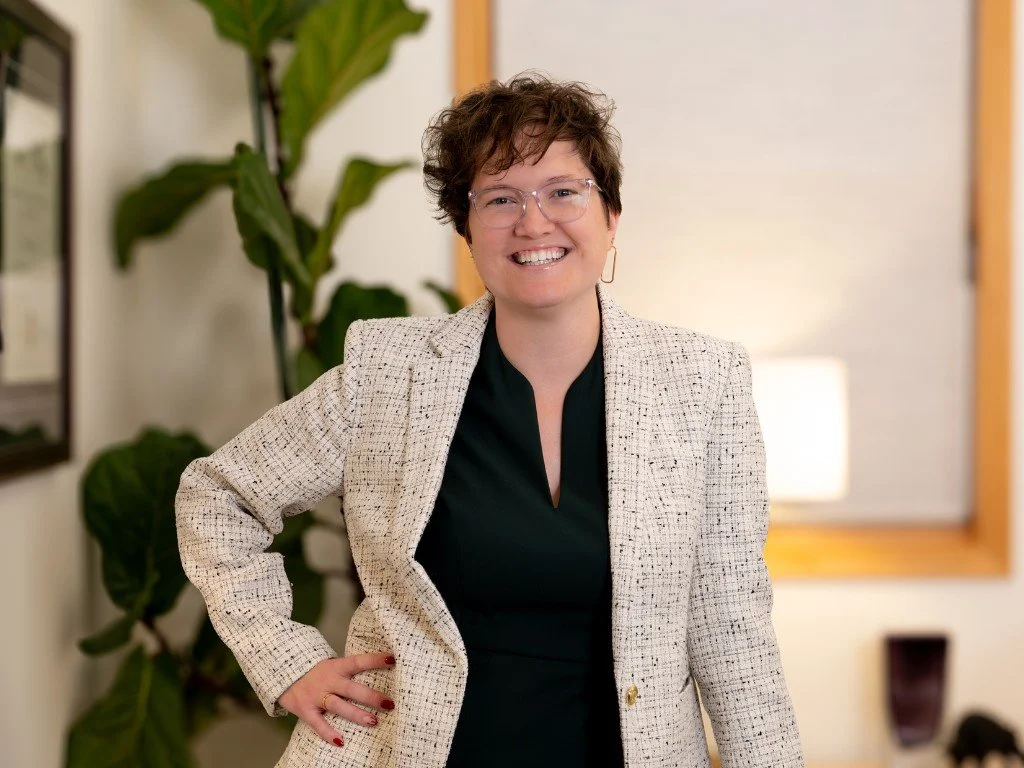
Chloey Wealth Founder and Advisor
5550 S. 59th St., Ste. 26
Lincoln, NE
(531) 249-0170

Securities and advisory services offered through LPL Financial, a registered investment advisor. Member FINRA/SIPC. The opinions voiced in this material are for general information only and are not intended to provide specific advice or recommendations for any individual. This information is not intended to be a substitute for specific individualized tax or legal advice. We suggest that you discuss your specific situation with a qualified tax or legal advisor. No strategy assures success or protects against loss. Prior to investing in a 529 Plan investors should consider whether the investor's or designated beneficiary's home state offers any state tax or other state benefits such as financial aid, scholarship funds, and protection from creditors that are only available for investments in such state's qualified tuition program. Withdrawals used for qualified expenses are federally tax free. Tax treatment at the state level may vary. Please consult with your tax advisor before investing.