
What Is Sake?
By Wanda Haynes
Sake, pronounced saw-kay, is a Japanese alcoholic beverage made from fermented rice. It consists of four ingredients: rice, water, yeast, and a mold called koji. Primarily sakamai rice is used for making sake. Koji is the mold that is distributed over the rice that converts the starches into sugar. This process and the varying quality of water in Japan help determine flavor. Sake is extraordinarily labor intensive, and the Japanese take much pride in its production.
The different types of sake are categorized by their rice polish ratio (RPR) and the addition of brewer’s alcohol.
If a sake has an RPR of 60 percent, then 40 percent of the rice’s outer layer was polished away.
High-end sake is made with rice polished down 50 percent or more. With the bran, proteins, and fat removed, the sake is lighter and more fragrant.
Styles of Sake
There are several styles of sake, and the quality depends on the polished rice.
Junmai: no regulation of RPR with added brewer’s alcohol; varies in flavor.
Daiginjo: at least 50 percent RPR; fruity and light in flavor.
Ginjo: at least 60 percent RPR; slightly fruity in flavor.
Honjozo: 70 percent RPR with added brewer’s alcohol; earthy in flavor.
Futsushu: means “ordinary sake”; the table wine has no regulations.
Nigori: called “cloudy sake” and has particles of rice in the sake.
Komyo: sake polished down to 1%, and is a rare jewel.
Drinking Sake
Sake can be served warm or cold in cups called “ochoko.” Originally, the ochoko were used to hold vinegars and sauces during dinner. The name’s roots come from a word meaning small thing.
Pairing Sake
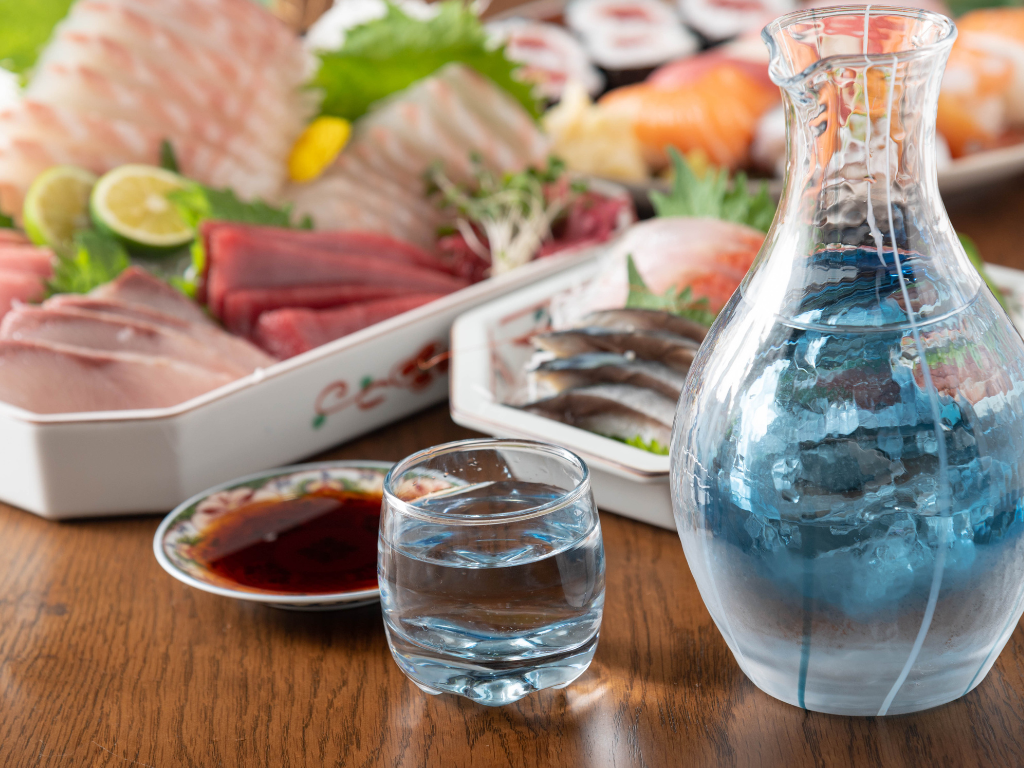
Light and dry sake pairs with sashimi and sushi. Sweet and light sake pairs lovely with seafood and tempura. Rich and dry sake pairs with hearty meat dishes. Sweet sake pairs with soy-based dishes.
A New Spin on Sake
A new American-made sake is putting Arkansas on the map. Crafted in Hot Springs, it’s made with 100% Arkansas-grown rice, carefully selected for its quality and unique character. The owner spent several years in Japan learning the art of sake brewing before bringing that expertise home. It’s a fitting place to launch a sake brand—after all, Arkansas produces more than 48% of the rice grown in the United States, and local farmers take great pride in that tradition.
Wanda Haynes is a Certified Sommelier and wine educator living her best life. She loves parties, fine dining, gourmet chocolate, and a great glass of wine.