
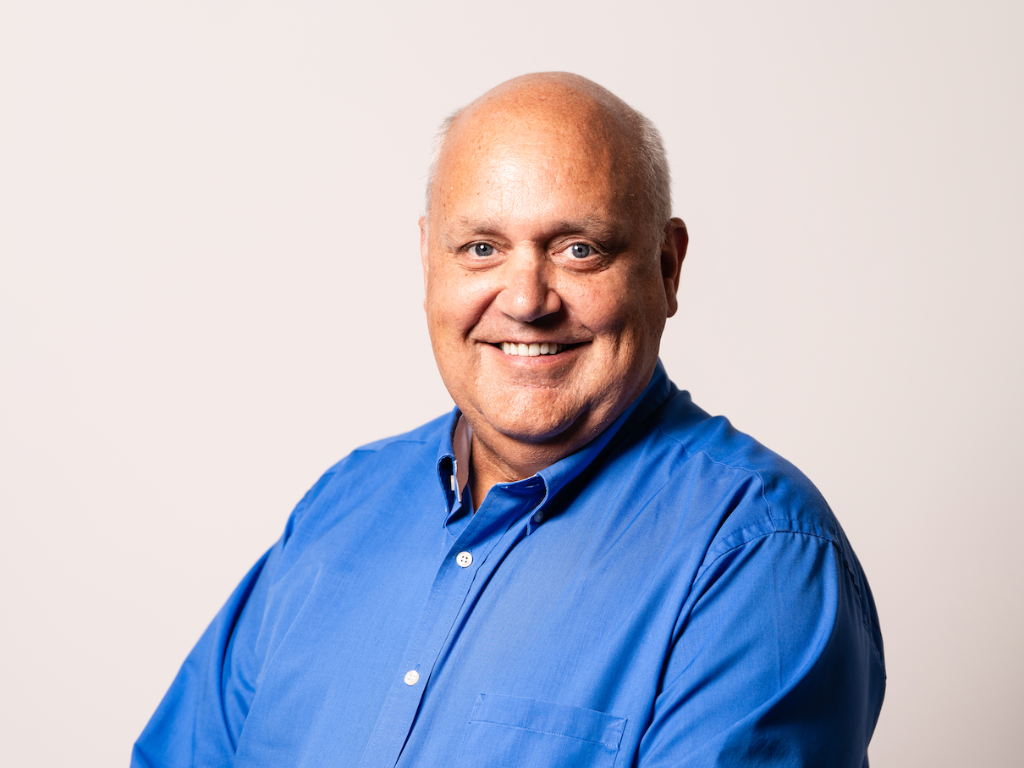
Brad Johnson Reflects on 35 Years in Corrections
By Nathan Lake
When Brad Johnson retires this December after nearly 35 years at the Lancaster County Department of Corrections, he leaves with a belief shaped by years of difficult and impactful work: people can change and Corrections can help give them that chance.
Over the course of his career, Brad came to see Corrections as a public service with a responsibility to protect Lancaster County while caring for the people in the Department’s custody. “What’s great about our role is that we’re able to help those in our care, and they can leave better than when they came in,” Brad says. The potential for a second chance guides his philosophy on leading the Department and what Corrections can be.
Time Well Spent
When Brad started working for the Department in January 1992, he was newly married and primarily looking for a way to pay the bills. “It seemed like good money at the time, a little over $8 an hour,” he jokes. “I thought I was going to be rich.” He had no way of knowing he would spend nearly 35 years there, working his way through the Department before serving his final decade as Department Director. And he did become rich in the impact he’s had on people’s lives; the $8 an hour had very little to do with it.
Several years into his career, while working toward his master’s degree, Brad began thinking differently about the role Corrections played in Lancaster County. Some of that change came from the people around him. Brad points to Kent Griffith, a former Facility Administrator, as a mentor who showed him that caring for people did not conflict with keeping a correctional facility safe. “Kent showed me that you could have compassion and empathy and still maintain a safe and secure environment,” Brad shares.

People Can Change
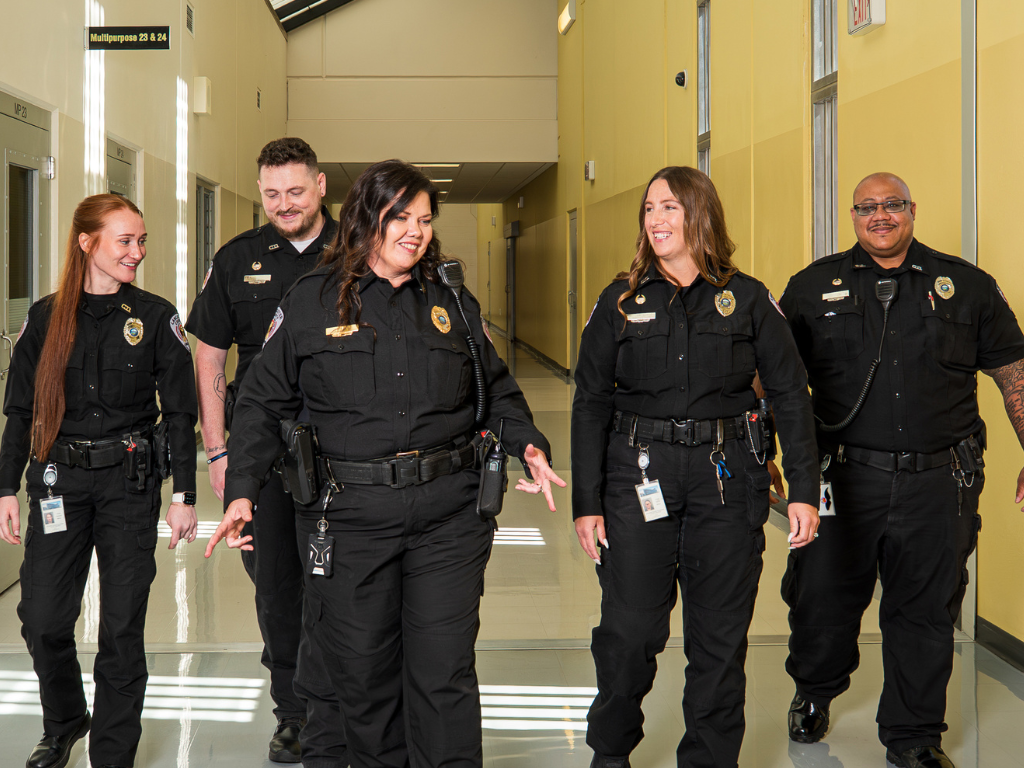
The Corrections Department Brad joined looked very different from the one he will leave this December. A Department that once had shifts staffed by only 10 officers now has 30 or more. Medical staff were not available around the clock, and mental health resources for people in custody did not exist. As the Department grew, Brad saw an opportunity to rethink how it could provide more of a public service.
“One of the biggest changes we’ve made was adding programs and support to address some of the reasons people arrive here,” Brad says. “There’s a lot of trauma and experiences that can contribute to some of the poor decisions that get made. In addition to medical and mental health care, we offer treatment programs, release planning, social work, and other resources designed to help people move forward.”
Sometimes change begins by giving someone the chance to experience success. Brad has seen participants complete programs and receive recognition they may rarely have experienced elsewhere in their lives.
“When someone sees that another direction is possible, it can change the trajectory of their life.”
Taking Care of the People Who Serve
Brad came to understand that providing better care for people in custody required better support for the people doing the work. Earlier in his career, shift supervisors might be assigned to second or third shifts without knowing how long they would remain there. The uncertainty could make an already demanding job even harder on their lives outside of work. As Director, Brad pushed for more predictable schedules and greater attention to employee wellness.
During Brad's time, the Department has also added a facility therapy dog and a staff chaplaincy program. Corrections is currently developing a peer support and crisis response team, professional development training, and other resources for employees working in a high-stress environment. Those changes are part of a larger evolution in the field that Brad has watched throughout his career: Corrections is a profession. “I think one of the things I’m most proud of is that we’ve been able to strategically build a team that cares,” he says. “We hold each other to high standards.” Brad is quick to credit the people around him. He sees the team as the most important part of carrying out its mission of service.
Run Toward Something
Retirement will give Brad an opportunity to direct more of his attention to family. He and his wife married in June 1991, only months before he started at Corrections. Brad is looking forward to being more present with her, traveling in their camper, visiting national parks, and eventually making it to the coasts. Their first grandchild is also on the way, and Brad cannot hide his excitement about becoming a grandpa.
Brad once heard a piece of retirement advice that stayed with him: Don’t run from something, run toward something. After nearly 35 years devoted to serving Lancaster County, Brad knows what he is running toward: more time with his wife and spending time with family and friends. And after nearly 35 years of building a team that helps others move forward, Brad gets his own chance to run toward what comes next.